One Brand, Many Neighborhoods: A Hyperlocal Content Playbook for Multi Area GTA Firms
The Greater Toronto Area is not one market. It is dozens of them stitched together: Etobicoke, Vaughan, Mississauga, Markham, Caledon, and every neighborhood inside Toronto itself, each with its own housing stock, its own budget expectations, and its own homeowners searching in slightly different ways for slightly different things.
Most contractors and design firms market as if the GTA were a single audience. They post a project, tag the city of Toronto, and move on. That approach leaves an enormous amount of local visibility on the table, both on Instagram and in search, and the firms that have figured out how to fix it are winning business their competitors never even see.
The Problem With One Size Fits All Content
When your content only ever says Toronto, or worse, says nothing about location at all, you are competing for attention against every other trade in the entire GTA at once. A homeowner in Oakville searching for a kitchen renovation is not necessarily going to find you, and even if they do, nothing in your content tells them you understand their specific street, their specific style of home, or their specific neighborhood's price expectations.
Local specificity does two things at once. It helps search engines connect your business to the exact areas you serve, which matters enormously for how you show up when someone searches "kitchen renovation Vaughan" instead of just "kitchen renovation." And it helps a homeowner feel an immediate sense of recognition when they see a project from their own neighborhood, which is a very different reaction than seeing a generic city tag.
The Metcasa Example: One Brand, Many Storefronts
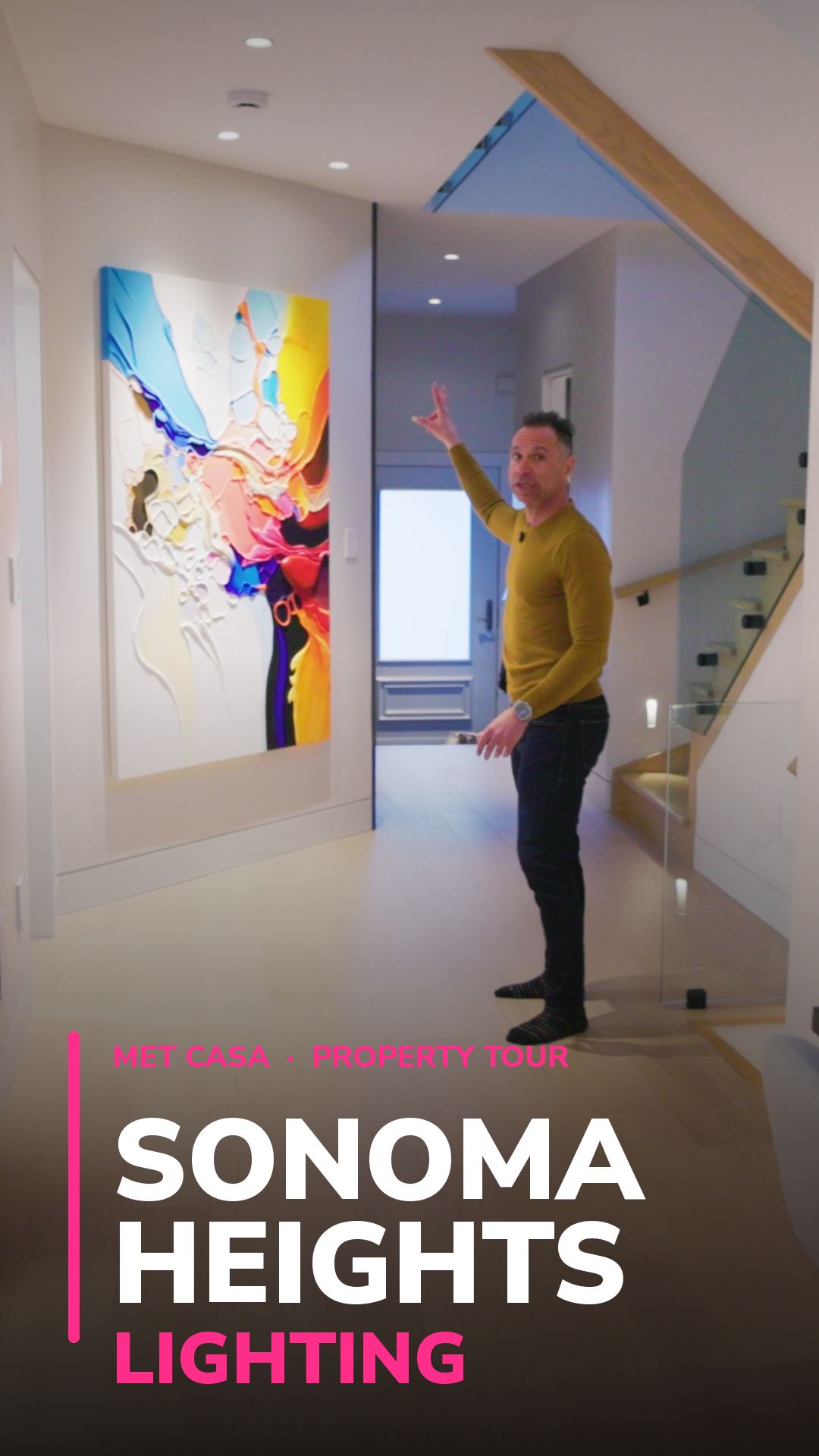
Metcasa, a Toronto kitchen and bath design firm, operates showroom locations across the GTA, including Vaughan, Islington Village, and the Bloor and Kipling area. Rather than treating those locations as a footnote, their content and their website structure treat each one as its own presence, with projects and pages tied specifically to the neighborhood they came from.
That structure means a homeowner in Vaughan searching for a kitchen designer finds content that speaks directly to their area, while a homeowner near Islington Village finds a different, equally specific entry point. The brand stays consistent, but the local relevance multiplies with every neighborhood it names.
The Avanti Landscaping Example: Naming the Neighborhood
Avanti Landscaping, a design build firm working across Toronto, Hamilton, and the wider GTA, does something similar project by project rather than location by location. Their content consistently names the specific neighborhood a project comes from: a heritage property transformation in Mt Pleasant, a build in Birchcliffe, a project in Caledon.
That level of specificity matters more than it might seem. A prospective client in Mt Pleasant who sees a full property transformation tagged with their own neighborhood does not just see beautiful work, they see proof that Avanti already understands the character of homes exactly like theirs: the century old brick, the mature trees, the specific quirks of that pocket of the city. That is a much shorter trust gap to close than a generic "Toronto backyard" post.
Building a Hyperlocal Content Calendar
The firms doing this well are not improvising it. They are building it into how they plan content from the start, which usually means a few consistent habits.
Every project gets tagged and captioned with its actual neighborhood, not just the closest major city. Captions reference local landmarks, streets, or housing styles where it makes sense, rather than defaulting to generic language. And over time, a firm working across many areas rotates its content so that no single neighborhood dominates the feed for months while others go unmentioned, which keeps the brand visible across its entire service area instead of just the parts that happen to have the most recent projects.
This same discipline extends to the website, not just social media. A page built specifically for a service area, describing the work done there and showing relevant projects, does far more for local search visibility than a single generic services page trying to rank everywhere at once.
Why This Helps SEO as Much as Social
Search engines reward specificity. A page or a post that repeatedly and naturally mentions a neighborhood, alongside real project photos and real service details, signals relevance in a way that generic city wide language cannot match. This is part of why firms like Metcasa, with location specific pages for each showroom, and Avanti, with neighborhood tagged project content, tend to show up in more of the specific local searches that actually convert into consultations.
The same logic applies on Instagram, where location tags and neighborhood specific captions help the platform serve your content to people actually searching or browsing in that area, rather than relying purely on your existing follower base to see and share it.
How to Start Without Overhauling Everything
You do not need a separate marketing plan for every neighborhood you touch. You need a habit: tag the real location, name it in the caption, and let your content calendar rotate across your actual service area over weeks and months rather than clustering around whatever is most convenient to shoot. For firms with multiple physical locations, a dedicated page per location, built for search, is one of the highest return investments available.
This is a core part of how we structure content and web strategy for clients working across multiple GTA municipalities, because a brand that shows up everywhere generically is far less powerful than a brand that shows up specifically, one neighborhood at a time.
How to Get Started
We work with a limited number of trades, builders, and design firms across the GTA, and multi area service is one of the specialties we plan content around from day one. If your business spans more than one neighborhood or municipality and your content has not caught up to that reality yet, we would like to have that conversation.
Visit makacekmedia.com or DM us on Instagram at @makacekmedia.